South Indian Destination Wedding Planner in India: Muhurtham-Perfect Luxury Weddings in Udaipur, Goa, Kerala & Beyond
By Weddings by Neeraj Kamra | Luxury destination wedding planning for Tamil, Telugu, Kannada, Malayali and North-South fusion families
A South Indian destination wedding in India works when two things hold at once: a venue with real scale and beauty, and a ritual calendar executed exactly as your family's priest prescribes it. Most planners deliver the first and improvise the second. This guide explains how Weddings by Neeraj Kamra closes that gap for families in Chennai, Bengaluru, Hyderabad, Coimbatore and Kochi who want a palace in Rajasthan, a resort in Goa or a backwater estate in Kerala without compromising a single ritual.
Why South Indian Destination Weddings Require Specialized Planning
A South Indian destination wedding runs on a fixed ritual clock, regional vendors and strict food customs that a generic North Indian planning template does not cover. A South Indian destination wedding planner in India must therefore manage the Muhurtham, the priests, the sourcing and the guest movement as one connected system.
Most destination venues in Udaipur, Jaipur and Jodhpur are built around the North Indian wedding format: an evening baraat, a late-night pheras ceremony and a buffet dinner. A South Indian wedding inverts that format. The core ceremony happens before sunrise, the food is served on a banana leaf and the rituals are led by a Vadhyar or Purohit who follows a specific regional tradition. When a planner does not understand these differences, the problems appear on the wedding morning, when nothing can be fixed.
Here are the gaps we see most often with generic planners:
- Muhurtham timing treated as a suggestion. Venue staff, sound teams and decorators are scheduled for a normal day, so the 4:00 AM to 6:00 AM window arrives with an unfinished mandap.
- No access to regional Purohits. A Tamil Iyer, Telugu Brahmin, Kannada Madhwa or Nair Vadhyar cannot be found locally in most North Indian cities, and the family discovers this two weeks before the wedding.
- Wrong or substitute materials. Fresh banana leaves, mallipoo, kanakambaram, lotus and specific pooja items are replaced with artificial or unsuitable alternatives.
- Catering that approximates South Indian food. Palace kitchens produce a North Indian menu with a few idlis and a sambar added.
- Logistics built for 150 guests, not 400. Extended South Indian families travel as a group of elders, cousins and in-laws, often from three or four cities at once.
Weddings by Neeraj Kamra are built around this gap. We act as the bridge between royal pan-India venues and the ritual authenticity South Indian families expect. Our luxury destination wedding planning process starts with your Muhurtham and priest requirements, then selects the venue, not the other way around.
We plan Tamil, Telugu, Kannada and Malayali weddings, along with North-South "2-States" fusion weddings, where two families with different rituals share one celebration. Explore our full range of destination wedding planning across India.
Mastering the Muhurtham: Pre-Dawn Rituals & Traditional Mandap Craft
The Muhurtham is the fixed, astrologer-approved moment of the wedding, and for most South Indian families it falls between 4:00 AM and 6:00 AM. Planning around it means building the entire venue schedule, staffing plan and decor timeline backward from that moment.
Pre-Dawn Logistics
A pre-dawn Muhurtham is an operations problem before it is a ritual one. Our wedding logistics team builds a reverse timeline that starts the night before and treats the Muhurtham as a fixed deadline.
1. Venue permissions and sound compliance. Many palaces and heritage hotels have curfews, generator rules and restrictions on early-morning amplified sound. We confirm in writing, months in advance, that the venue permits ceremony setup from midnight and a 4:00 AM start, including nadaswaram or mangala vadyam music where the family requires it.
2. Reverse-timed run of show. A typical 5:00 AM Muhurtham works backward like this:
- 9:00 PM: Final mandap handover and floral installation begins.
- 12:00 AM: Pooja samagri, Thali, Kanyadaanam items, and offerings are laid out and checked against the priest's list.
- 2:30 AM: Bride and groom's families wake up; hair, makeup, and drape teams begin.
- 3:30 AM: Guests assemble by family group, with transport staged.
- 4:00 AM to 5:30 AM: Pre-wedding rituals, followed by the Muhurtham itself.
- 6:30 AM: Breakfast service begins; Sadya or a full lunch follows later in the day.
3. Regional Purohits and Vadhyars. We source priests from your community and, where families have a family priest, we fly them in with their assistants and handle their accommodation, sattvic meals and ritual materials. For Tamil weddings this includes the correct chanting tradition; for Telugu weddings, rituals such as Jeelakarra Bellam and Talambralu; for Kannada weddings, Dhare Herdu; and for Malayali weddings, Thalikettu and Pudavakoda.
4. Muhurtham feasibility check. Before you commit to a venue, we verify whether your date and time are workable there: sunrise light, ceremony space, guest arrival time, and distance from rooms to mandap. You can book a free Muhurtham consultation and we will test your date against venue availability before any deposit is paid.
5. Backup systems. Pre-dawn ceremonies cannot tolerate failures. We deploy backup power, a second sound system, extra lighting and a duplicate set of critical ritual items at the mandap.
Traditional Decor, Mandap Craft and the Oonjal
South Indian mandap design follows ritual structure first and aesthetics second. The look you want, whether a palace courtyard or a lakefront terrace, is built around what the ceremony physically requires.
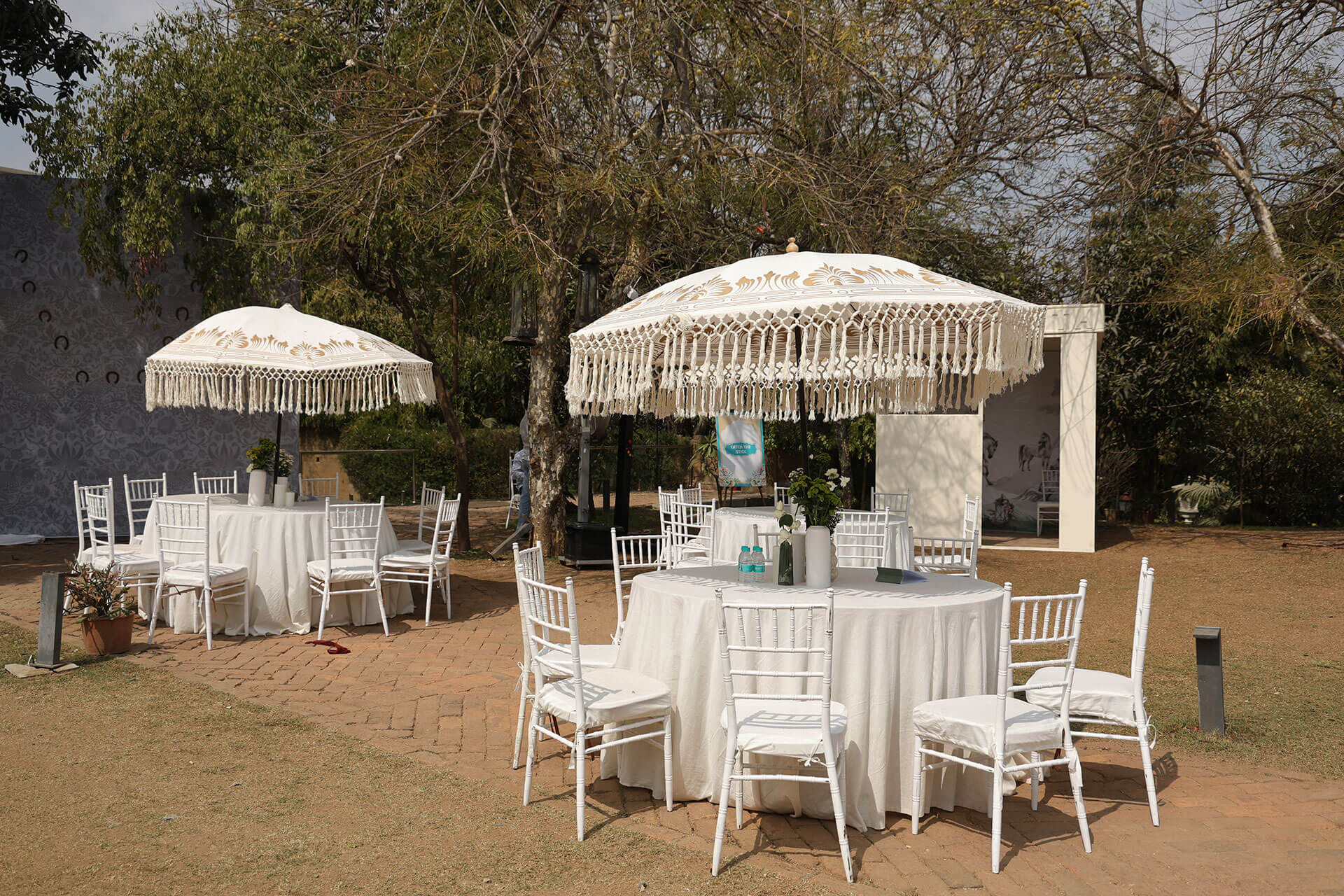
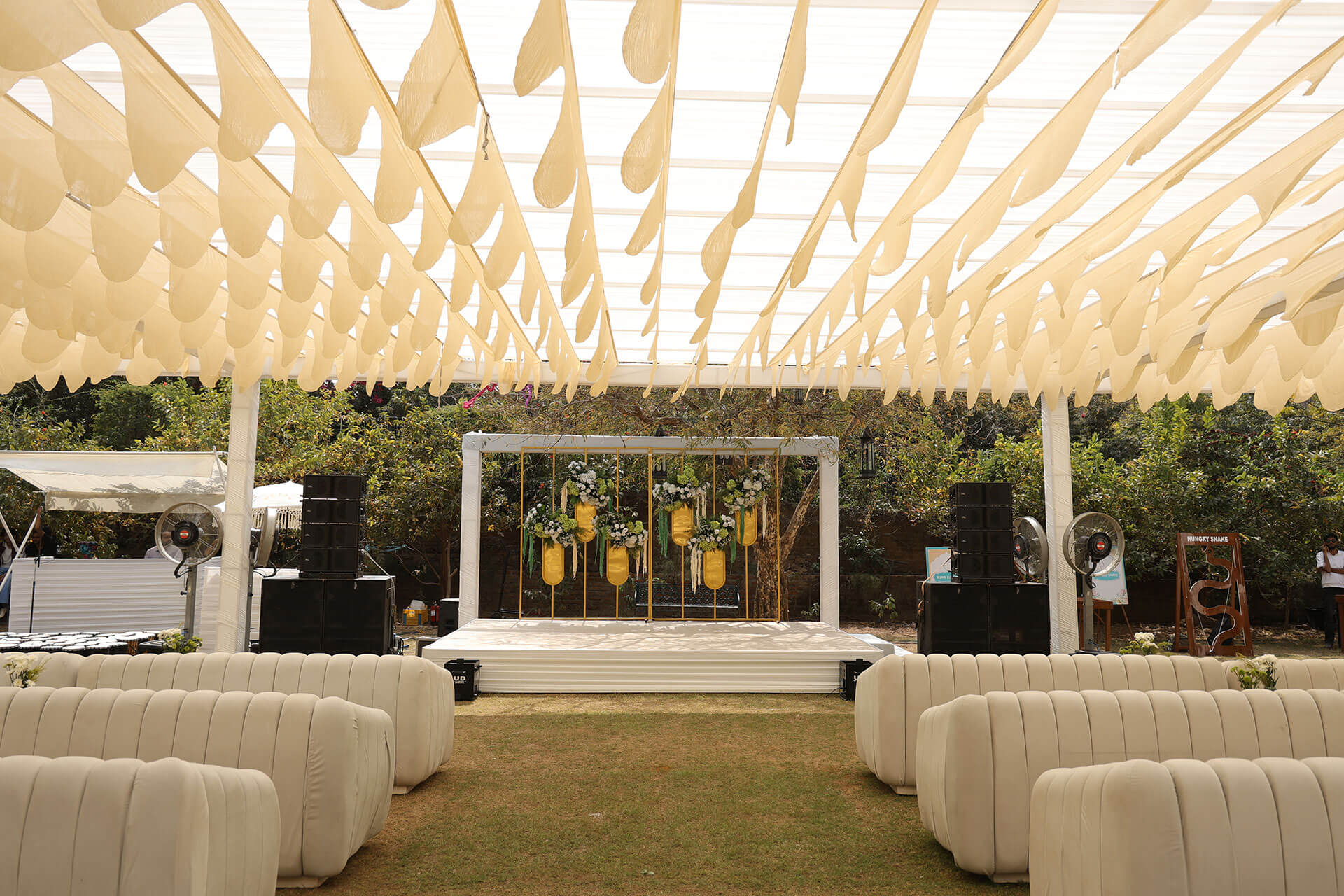
Mandap and structure. Tamil and Telugu mandaps use a raised platform with pillars, often with banana stems or plantain trees at the entry, kolam at the threshold and brass lamps (kuthuvilakku) positioned on the east. Kerala weddings favor a simpler, temple-inspired setup with a nilavilakku and fresh flower arrangements. Our custom mandap and floral design team builds these specifications into the design from the first mood board.
Fresh florals, flown in. The florals that define a South Indian wedding do not grow in Rajasthan in the quantities you need. We air-freight mallipoo (jasmine), kanakambaram, rose, marigold, lotus and fresh banana leaves from Madurai, Bengaluru, Kochi and Coimbatore markets, and time arrival so they come in fresh for the pre-dawn setup. Temple garlands, veni for the bride, and the thread-strung jasmine used in traditional hairstyling are made by trained garland artisans we bring to the venue.
The Oonjal. The Oonjal ceremony, where the couple sits on a decorated swing while elders sing and offer milk and bananas, needs a load-bearing structure, not just a pretty frame. We engineer the swing with a certified rigging check, then dress it with jasmine strands, lotus and brass accents so it sits naturally in a palace or resort setting.
What we do not compromise on:
- Genuine brass, bronze, and copper pooja vessels (avoiding plastic or painted substitutes).
- Fresh banana leaves, coconut, betel leaves, and areca nut in the correct quantities.
- Kolam or rangoli drawn by trained artists on the day, rather than using printed vinyl.
- Comfortable seating arrangements that allow elders to sit comfortably throughout the two-hour ritual.
South Indian wedding decorators in India are few, and those who work outside their home cities are fewer. Our team travels with materials, artisans and a ritual checklist so that your mandap in Udaipur matches the one your family would build in Chennai.
Top Destination Wedding Locations in India for South Indian Families
The best destination for a South Indian wedding is one with the right mix of ceremony space, pre-dawn operating permission, room inventory and food capability. Udaipur, Goa and Kerala offer very different strengths, and each requires different preparation.
Udaipur & Rajasthan Palaces
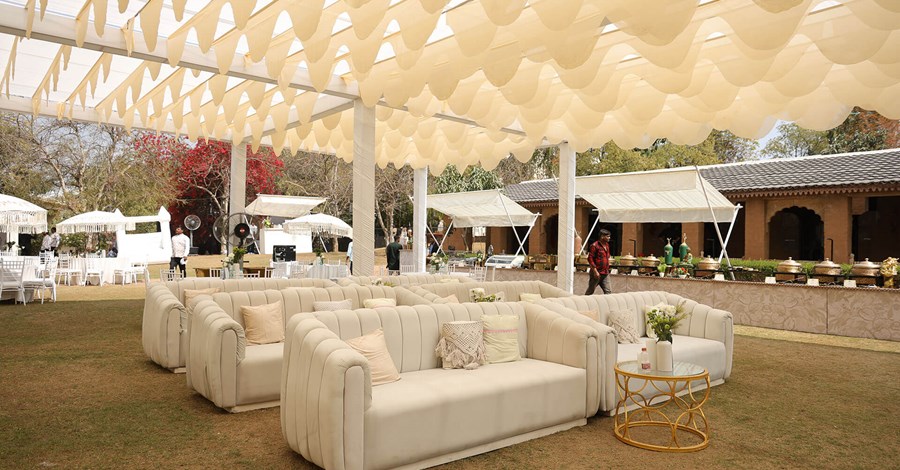
Udaipur is the most requested destination among our South Indian clients, and for good reason: lake-facing palaces, large courtyards and enough room inventory for 300 or more guests. A Tamil destination wedding in Udaipur works particularly well in palace courtyards, where an east-facing mandap catches first light just after the Muhurtham.
What we manage in Rajasthan:
- Venue negotiation for early hours: Secure written approval for midnight setup and a 4:00 AM ceremony start, including generator and sound clearances.
- Cold-weather planning: Udaipur winters (November to February) can be cold at 4:00 AM. Arrange heaters, shawls, and heated seating to ensure elders remain comfortable.
- Priest and material logistics: Purohits, florals, banana leaves, and ritual items arrive from South India by air freight, with a buffer day built into the schedule.
- Palace kitchen coordination: Set up a dedicated South Indian kitchen section within the palace, managed by our own chefs.
If Rajasthan is your first choice, see our page on destination weddings in Udaipur for venues and planning support. We also plan South Indian weddings in Jaipur and Jodhpur, where fort and palace venues suit larger, more formal celebrations.
To see how a celebrity-scale wedding works on a hillside resort, read our Rasmika–Vijay wedding Udaipur venue guide. It covers ITC Mementos Ekaaya's Aravalli setting, event spaces and privacy for high-profile guest lists, which helps South Indian families judge how a resort handles a large Muhurtham, a Sangeet and a reception at the same venue.
For a Telugu destination wedding planner, Rajasthan requires extra care with Talambralu, Pelli Koduku and Pelli Kuthuru rituals, since several occur across multiple days and need adequate private space within the venue.
Goa & Coastal Resorts
Goa suits families who want a relaxed, beachfront or villa-style setting, with a smaller guest list of 80 to 200. The coastal climate and sea-facing mandap sites feel closer to home for many Chennai and Kochi families. See our destination beach wedding planning in Goa page for venue options.
Key considerations in Goa:
- Venue licensing: Beachfront weddings require permissions and are subject to time and sound restrictions that differ from those of private resort lawns. Choose private venues where pre-dawn ceremonies are permitted.
- Monsoon and season: October to March is the practical window. Avoid monsoon months for outdoor Muhurthams.
- Sattvic food on a non-vegetarian coastline: Ensure Brahmin and vegetarian kitchens are fully segregated, as many resorts cannot provide this arrangement independently.
- Fusion weddings: Goa is ideal for 2-States weddings, where one family follows South Indian rituals while the other prefers a beach sangeet and cocktail evening.
Kerala Backwaters
Kerala is the natural choice for Kerala destination wedding packages and for Malayali families who want a wedding in their home state at a larger, resort scale. Alappuzha, Kumarakom, Kochi, Munnar and Thekkady offer backwater estates, plantation resorts and heritage properties. Browse our guide to wedding venues in Kerala and our Kerala wedding planning page to compare options.
What matters here:
- Temple-style ceremony: A simple, elegant Kerala Hindu wedding featuring Thalikettu, Pudavakoda, and nilavilakku is best complemented by understated decor with fresh flowers, kasavu fabric, and brass elements.
- Guest movement on water and narrow roads: Backwater venues often require boat transfers or travel along narrow roads, so transport is planned in batches with clear timings.
- Local sourcing: Banana leaves, jasmine, coconut, and tender coconut are available locally, reducing air-freight costs while ensuring an authentic Sadya experience.
- Monsoon calendar: Schedule the wedding around the southwest monsoon (June to September) and northeast monsoon (October to November).
We also plan spiritual-leaning weddings in Rishikesh for smaller families who want a riverside ceremony, Ganga aarti and yoga-led hospitality alongside the ritual. Space and room inventory are tighter there, so guest counts rarely exceed 100.
To see how we have handled different ritual and venue combinations, browse our real wedding portfolio or read what happy couples say about working with us.
Authentic South Indian Catering & Guest Hospitality Across India
Authentic South Indian catering in a destination wedding means a dedicated South Indian kitchen, banana-leaf service and a menu cooked by chefs who specialise in the regional cuisine. Guest hospitality means moving 200 to 500 people from several cities to one venue, housing them correctly and keeping elders comfortable through a pre-dawn ceremony.
Sadya, Elai Sappadu and Regional Menus
Palace kitchens are built for North Indian and continental banquets. We solve this through our food and beverage service by bringing in specialist South Indian catering teams and setting up a separate cooking area, so the food is made on-site, fresh and to tradition.
- Malayali Sadya: A full vegetarian Sadya featuring 24 to 28 dishes served on a banana leaf, including parippu, sambar, avial, olan, kalan, thoran, pachadi, pickles, papadam, banana chips, and payasam. The serving order and leaf placement follow traditional Kerala customs.
- Tamil Elai Sappadu: A traditional wedding feast served on a banana leaf, featuring dishes such as kootu, poriyal, rasam, sambar, vadai, and payasam, followed by filter coffee.
- Telugu and Kannada menus: Pulihora, gongura dishes, pappu, Andhra-style curries, and sweets like Bobbatlu for Telugu weddings; Bisi Bele Bath, Kosambari, Holige, and Mysore Pak for Kannada weddings.
- Breakfast after the Muhurtham: Idli, dosa, pongal, vada, upma, and filter coffee served within 30 minutes of the ceremony concluding.
We also handle the practical points that decide whether the meal works:
- Fresh banana leaves delivered on the same day and cut to the appropriate size.
- Vegetarian and non-vegetarian kitchens maintained in complete separation.
- Jain, Sattvic, and no-onion-no-garlic options prepared to accommodate specific family customs.
- Clear dietary labeling for diabetic and elderly guests.
- A separate dining area arranged for priests and ritual participants.
Guest Travel, Rooms and RSVP Logistics
South Indian wedding guests travel in groups: grandparents, uncles, aunts, cousins and in-laws, often from Chennai, Bengaluru, Hyderabad, Coimbatore and Kochi, all at once. Poor logistics create more complaints than any other part of the wedding.
Our guest travel and RSVP hospitality service, supported by our logistics team, covers:
- Bulk flights and group bookings: Block seats on direct and connecting routes into Udaipur, Jaipur, Goa, and Kochi. Coordinate arrival windows to ensure airport transfers operate in manageable waves.
- Room allocation by family unit: Allocate ground-floor or lift-accessible rooms close to the mandap for elders. Keep extended family members together, while accommodating priests separately with dedicated meal arrangements.
- RSVP and travel data collection: Use a single digital RSVP form to collect attendance, dietary requirements, flight details, and mobility needs. Integrate the information directly into room allocation, catering, and transport planning.
- On-ground hospitality desks: Deploy multilingual staff fluent in Tamil, Telugu, Kannada, and Malayalam to assist guests at arrival points, hotel lobbies, and ceremony venues.
- Medical and elder care: Arrange an on-call doctor, wheelchairs, and a dedicated first-aid desk to support guests during pre-dawn ceremonies.
South Indian Destination Wedding Cost Breakdown in India
A luxury South Indian destination wedding in India typically costs between ₹80 lakh and ₹6+ crore, depending on guest count, venue tier and number of days. The largest cost drivers are venue and room inventory, followed by catering, decor and guest travel.
The table below gives indicative planning ranges for a three-day wedding. These are estimates for early planning, not quotations. Actual costs depend on season, venue, menu and decor scale. For venue-level figures, read our guides to destination wedding cost in Udaipur and destination wedding cost in Goa.
| Guest Count | Boutique Resort / Villa Tier | Heritage Hotel / Premium Resort Tier | Royal Palace Tier (Udaipur, Jaipur, Jodhpur) |
|---|---|---|---|
| 100 to 150 guests | ₹80 lakh to ₹1.2+ crore | ₹1.2 to ₹1.8+ crore | ₹1.8 to ₹2.5+ crore |
| 250 guests | ₹1.2 to ₹1.8+ crore | ₹1.8 to ₹2.8+ crore | ₹2.5 to ₹4+ crore |
| 400 guests | ₹1.8 to ₹2.5+ crore | ₹2.5 to ₹3.5+ crore | ₹3 to ₹6+ crore |
What these ranges usually include: venue hire and room blocks, three days of catering, mandap and floral decor, entertainment, photography, planning fees and on-ground staff.
What can move the number:
- Air-freighted florals and materials. Adds cost for Rajasthan, saves cost in Kerala.
- Priest and ritual team travel. Flights, stays and honorariums for a team of four to eight.
- Guest travel. Flights and group transfers are often budgeted separately by the host family.
- Peak-season dates. November to February in Rajasthan carries a premium of 20 to 40 percent over shoulder months.
- Number of events. Adding a Nalangu, Pelli Koduku or a separate reception raises both decor and food costs.
For a cost plan built around your guest list, date and ritual needs, our team can prepare a line-by-line estimate during your first consultation. Before you fix a budget, also read our guide to hidden costs in Rajasthan destination weddings.
Frequently Asked Questions
Yes, a specialist planner can arrange a 4:00 AM to 6:00 AM Muhurtham at most palaces and resorts, provided permissions are secured early. This requires written venue approval for midnight setup, sound clearance, backup power and a reverse-timed schedule so the mandap, priests and guests are ready before the auspicious time begins.
Yes, regional Purohits and Vadhyars can be arranged for any destination. We source priests for Tamil, Telugu, Kannada and Malayali traditions, or fly in your family priest with assistants, and manage their travel, accommodation, sattvic meals and ritual materials so the ceremony follows your lineage exactly.
Yes, authentic Sadya and Elai Sappadu can be served in a Rajasthan palace with the right preparation. We set up a dedicated South Indian kitchen with specialist chefs, bring fresh banana leaves by air freight, and keep vegetarian and non-vegetarian cooking fully separate on-site. Learn more about our food and beverage service.
A South Indian destination wedding in India typically costs ₹80 lakh to ₹6+ crore. A 100-guest boutique resort wedding starts around ₹80 lakh, while a 400-guest royal palace wedding in Udaipur can reach ₹4 crore, depending on season, decor and number of events.
Yes, we plan North-South "2-States" weddings that honor both families' traditions. We usually split the schedule so the South Indian Muhurtham happens at dawn and the North Indian ceremonies, such as sangeet, mehendi or baraat, take place in the afternoon and evening, with separate food and priests for each. Our wedding planning team coordinates both sides.
Plan Your South Indian Destination Wedding With a Muhurtham-First Approach
If your family in Bengaluru, Chennai or Hyderabad is considering a destination wedding in Udaipur, Goa, Kerala or elsewhere in India, start with a single question: can this venue deliver your Muhurtham, your priest, your food and your guests exactly as your family needs?
We answer that in a 1-on-1 venue and Muhurtham feasibility call. In 30 to 45 minutes, we review your date, your guest count, your ritual requirements and your shortlisted venues, then tell you what is workable, what needs adjustment and what it is likely to cost.
To read more like this click on the links below -
How to Plan a Destination Wedding in Udaipur From Abroad | Hidden Costs Destination Wedding Rajasthan | Destination Weddings in Jaipur | Wedding Venues in Kerala | Top Wedding Trends 2026 27 | Wedding Cost at Wyndham Garden Udaipur | Bridal Lehenga for Destination Wedding | Destination Wedding Cost 2026-27 | Wedding Venue in Thailand | Kumbhalgarh Wedding Venue Guide | Destination Wedding Venues in Bali | Indian Wedding Planner in Dubai | Real Wedding Story: Mrin & Dustin’s NRI Wedding at Aurika Udaipur |
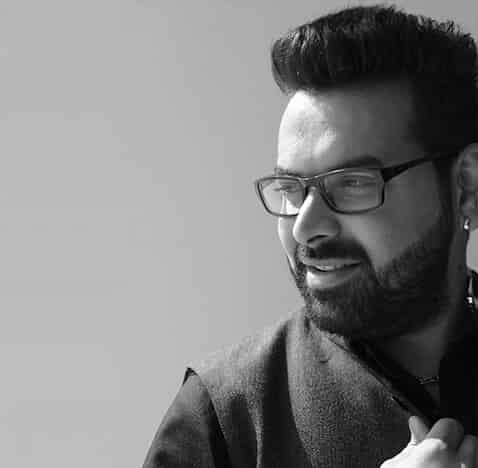
Neeraj Kamra is the founder of Weddings by Neeraj Kamra, a destination wedding planning company based in Udaipur. With over Fifteen years in the industry, he has planned royal and destination weddings across Udaipur, Jaipur, Jodhpur, and Goa, as well as international celebrations in Thailand, Dubai, and Bali. His work covers venue selection, design, and full event execution, and has been featured on WedMeGood, WeddingWire, and Zankyou. He writes on destination wedding planning and Rajasthan's wedding traditions.